BrainDance
A downloadable Research Project
⚠️ Access Notice
BrainDance is not publicly playable.
This project was created as a Master’s research prototype and training-oriented experiential tool designed specifically for medical and mental health professionals.
For ethical and contextual reasons, no public build is available.
This page exists to document the design intent, systems, and outcomes of the project as part of a professional portfolio.
BrainDance is a solo-developed VR prototype built in Unity that explores how people interpret social situations under conditions of uncertainty and misaligned perception.
The experience uses voice-driven interaction and intentionally ambiguous feedback to place the participant in situations where well‑intentioned actions can still result in negative social outcomes without the participant clearly understanding why.
The project sits adjacent to therapeutic and reflective design, but is not a treatment tool. Instead, it uses experiential gameplay to investigate empathy, decision‑making, and social consequence.
Intended Audience
BrainDance was designed exclusively for professional use, with a focus on:
- Medical professionals
- Mental health practitioners
- Clinical educators
- Researchers exploring perception and cognition
All interaction design, UI, UX, and onboarding decisions were made with this audience in mind.
Design Focus
- Cognition & Perception Exploring how distorted perception affects judgement and interpretation.
- Emotional Realism Prioritising believable emotional responses over traditional success/failure states.
- Voice‑Driven Interaction Speech is used as the primary input to increase vulnerability and immediacy.
- Ambiguity by Design Social feedback is intentionally unclear, mirroring psychosis‑like experiences of misinterpretation.
- Ethical Framing Clear boundaries to avoid simulation, diagnosis, or treatment claims.
UI, UX & Onboarding
A significant portion of the project focused on accessibility and clarity for a non‑gaming audience:
- Calm, non‑gameified interface language
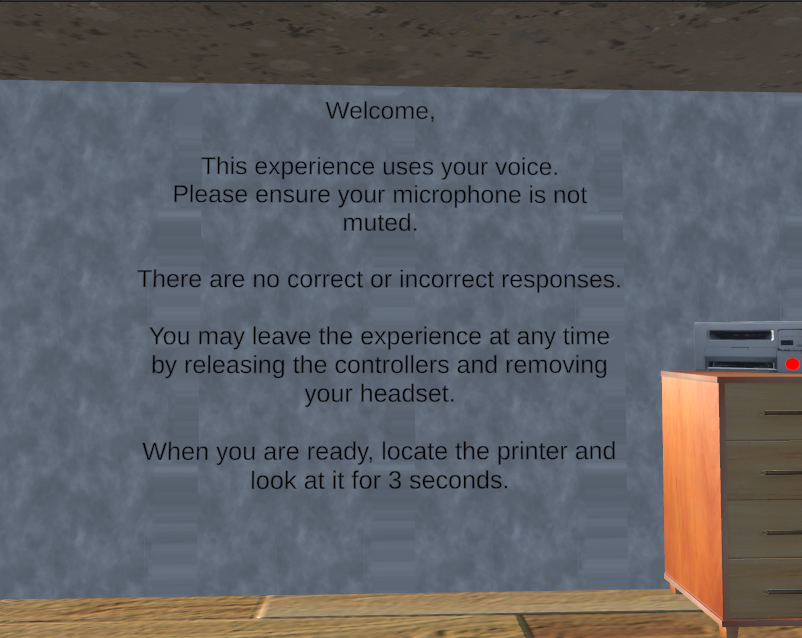
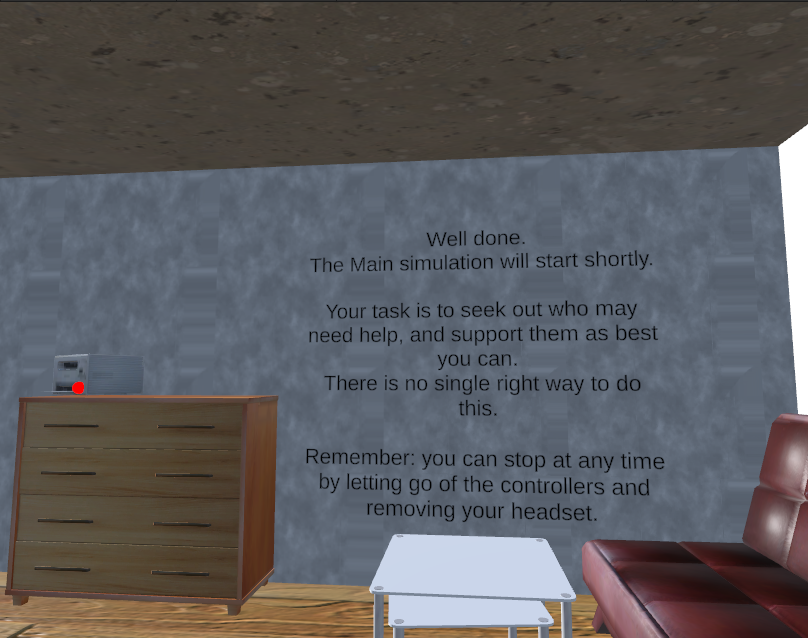
- Clear onboarding that explains expectations without spoiling experience
- Minimal HUD elements to reduce cognitive overload
- Structured entry and exit points for guided use in professional contexts
The experience was designed to be facilitated, not casually consumed.
My Role
This project was developed entirely solo.
I was responsible for:
- System and interaction design
- Unity implementation for VR
- Narrative and experiential structure
- UI/UX design and onboarding flow
- Ethical framing and audience considerations
- Research alignment and documentation
Research Context
BrainDance exists to explore the question:
How do psychosis‑like distortions of perception affect a person’s ability to judge reality, interpret social feedback, and understand the consequences of their actions?
The project investigates how:
- Intent does not guarantee positive outcome
- Social rejection can occur without clear cause
- Lack of feedback clarity increases emotional impact
Media
This page intentionally includes screenshots and diagrams only.
Suggested images to include:
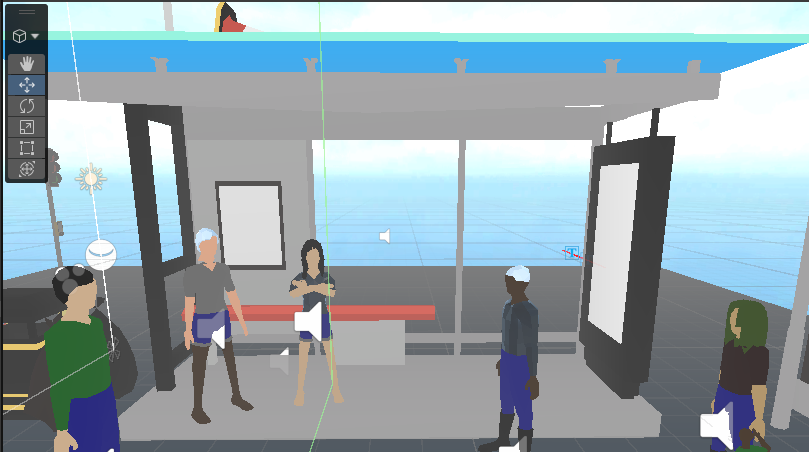
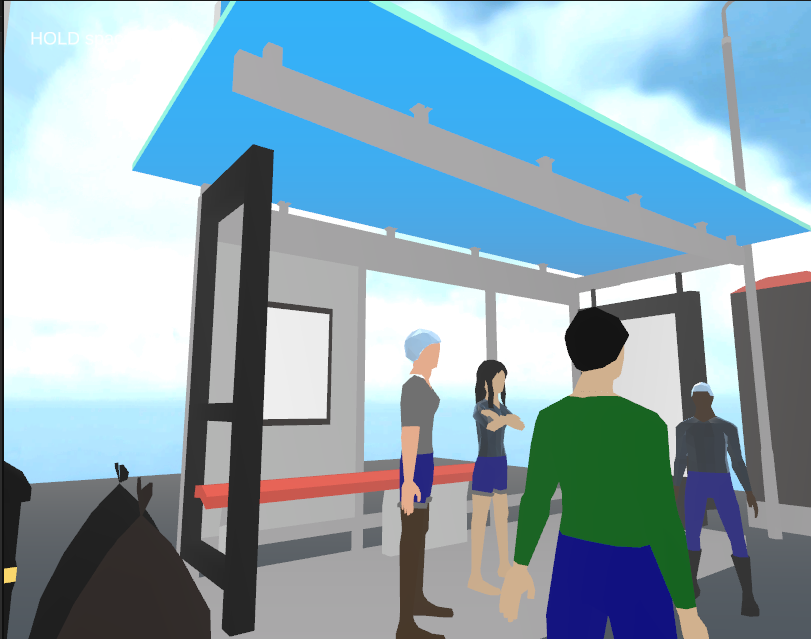
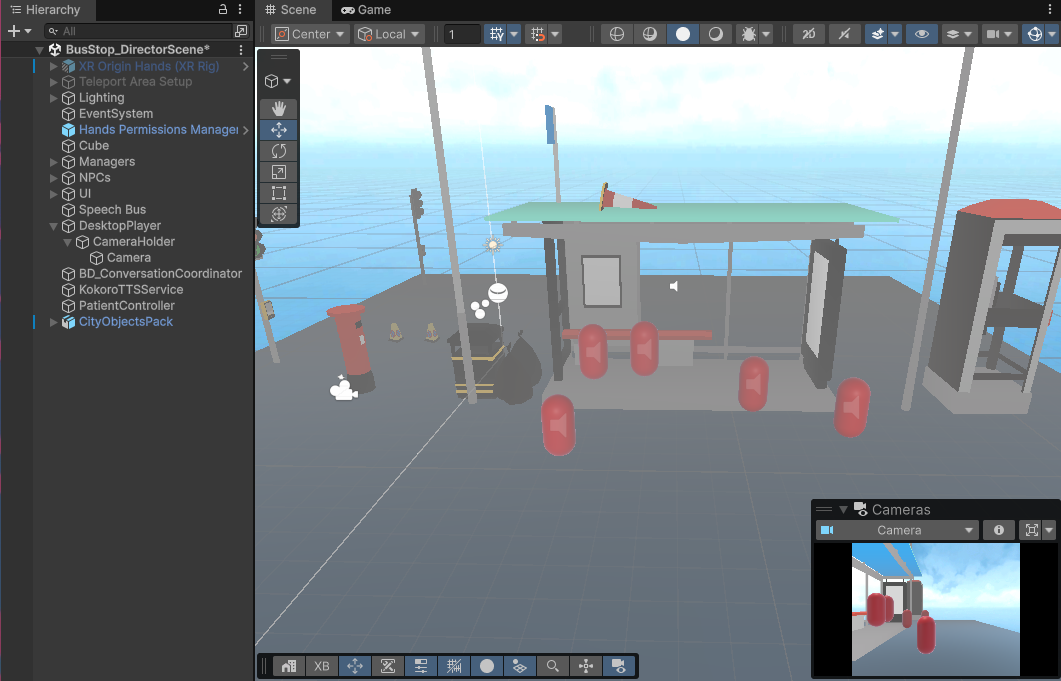
- Environment shots (neutral, non‑sensational)
- UI and onboarding screens
- Interaction prompts (without spoilers)
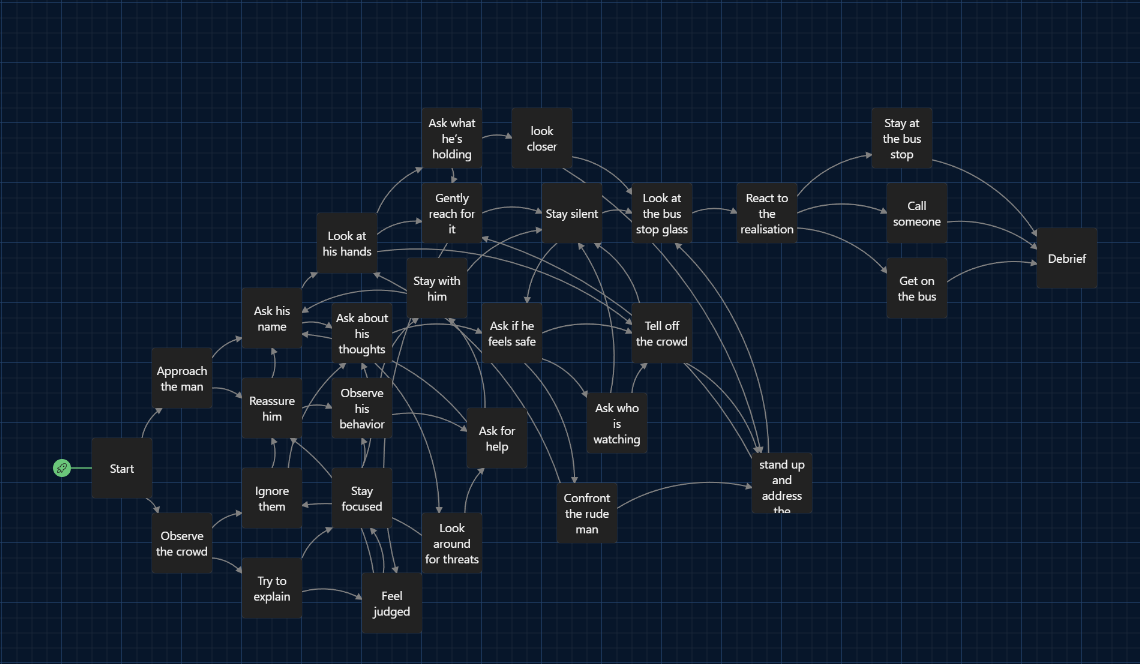
- Flow diagrams showing experience structure
Availability
There is no public download.
Access was limited to supervised research and professional evaluation contexts.
If you are reviewing this project as part of a portfolio or academic assessment, this page represents the complete public documentation of the work.
Credits
Design, programming, research, and implementation by Kevin Jeffrey.
Development log
Leave a comment
Log in with itch.io to leave a comment.